Ha Long Bay
Discover Ha Long Bay: A Journey Through Vietnam’s Seascapes
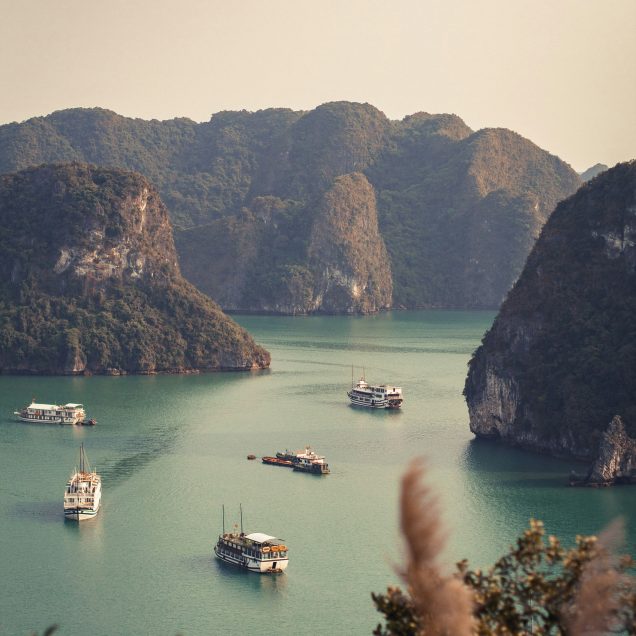
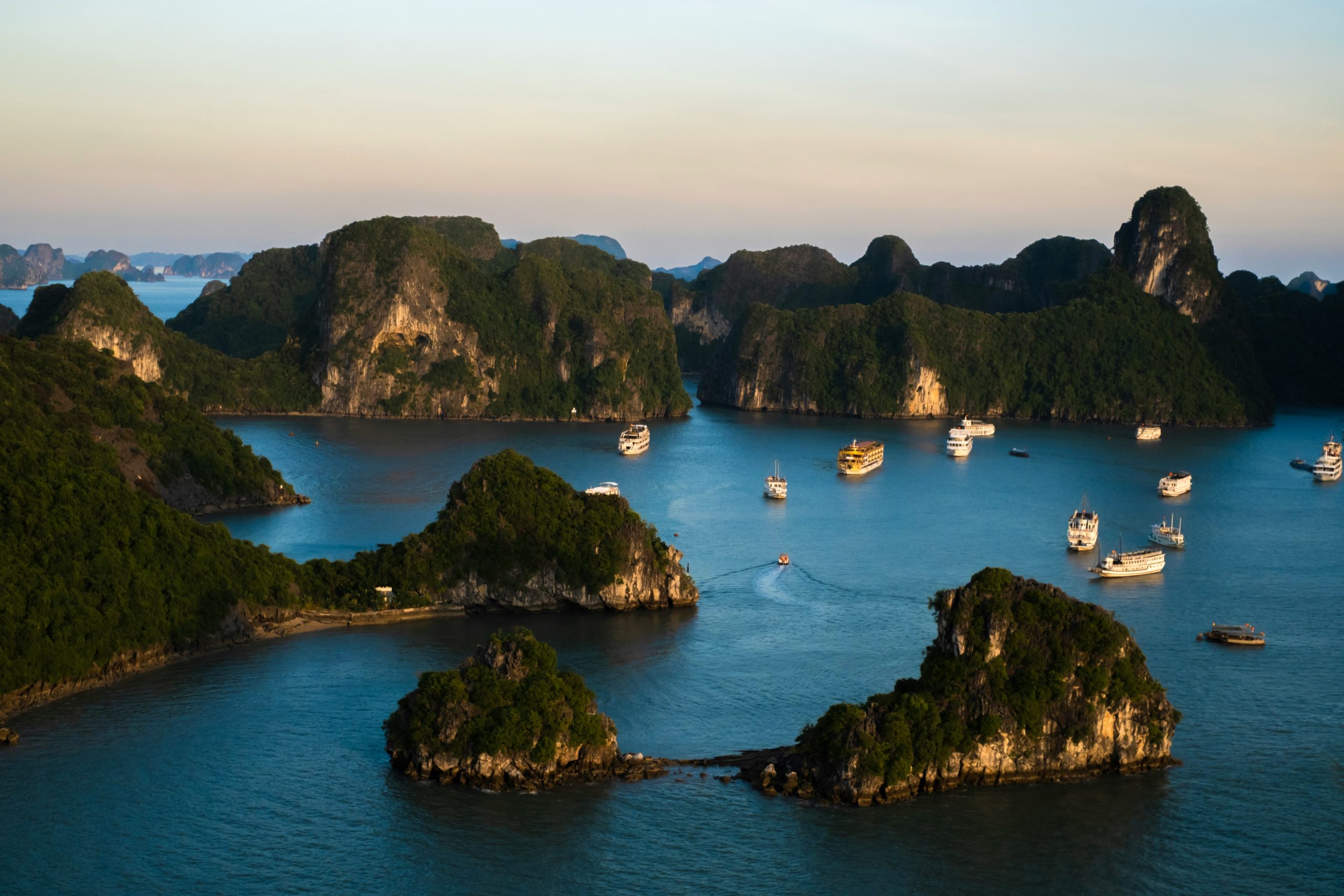
Few places in Vietnam are as instantly recognizable as Ha Long Bay, where emerald waters weave between thousands of limestone islands and towering karsts shaped over millions of years. Yet the beauty of the bay is not only something to admire from the shore: it is best experienced slowly, from the water.
Step aboard a traditional-style cruise and wake to mist rising between the limestone formations, explore hidden caves and quiet lagoons, kayak through secluded corners or simply enjoy the changing scenery from the deck. Nearby Lan Ha Bay offers a quieter alternative, with equally dramatic landscapes and a more peaceful atmosphere.
Whether you choose a day cruise or spend a night surrounded by the bay’s extraordinary scenery, Ha Long and Lan Ha offer a memorable escape where nature, tranquillity and discovery come together.
Sights




Map
Info
Places to Discover in Ha Long Bay
Ha Long Bay
There is something almost surreal about waking up surrounded by limestone islands rising from the sea. As the boat moves quietly through the bay, each turn reveals another landscape: towering karsts emerging from emerald waters, small beaches hidden between the cliffs and passages leading towards secluded lagoons. An overnight cruise allows you to experience the bay at its most atmospheric, when the crowds have disappeared and the changing light transforms the scenery from one moment to the next.
Lan Ha Bay
Just beyond Ha Long Bay, Lan Ha offers a quieter and more intimate experience of the same extraordinary limestone landscape. With hundreds of islands and smaller islets scattered across calm waters, it is particularly beautiful for kayaking, swimming and exploring hidden corners by boat. For travellers looking for a slower, more peaceful experience, Lan Ha can be an excellent alternative to the busiest areas of Ha Long Bay.
Cat Ba Island
Where the sea meets forest-covered mountains, Cat Ba brings a different dimension to the region. Explore the island’s lush landscapes, travel through quiet fishing communities or venture into Cat Ba National Park, home to rich biodiversity and dramatic scenery. Combining Cat Ba with a cruise through Lan Ha Bay is an ideal way to experience both the land and sea.
Caves & Hidden Lagoons
The limestone karsts hide another world beneath their towering cliffs. Step into spectacular caves such as Sung Sot Cave or Thien Cung Cave, where centuries of geological formations have created vast chambers filled with stalactites and stalagmites. Elsewhere, smaller passages and lagoons can be reached by kayak or traditional boat, revealing quieter corners of the bay away from the main routes.
Floating Villages & Life on the Water
For generations, communities have built their lives around the waters of Ha Long Bay. Visiting a floating village offers a glimpse into this connection between people and the sea; from fishing traditions and floating homes to the daily routines shaped by the tides and seasons. It is a chance to see the bay not only as a spectacular landscape, but as a place where people have lived and worked for generations.
Bai Tu Long Bay
For travellers who want to venture further from the classic routes, Bai Tu Long Bay offers dramatic scenery with a more tranquil atmosphere. Limestone islands stretch towards the horizon, while quieter beaches, fishing communities and less-visited landscapes create a sense of escape. It is an excellent option for those looking to experience the beauty of northern Vietnam at a gentler pace.
When to Travel
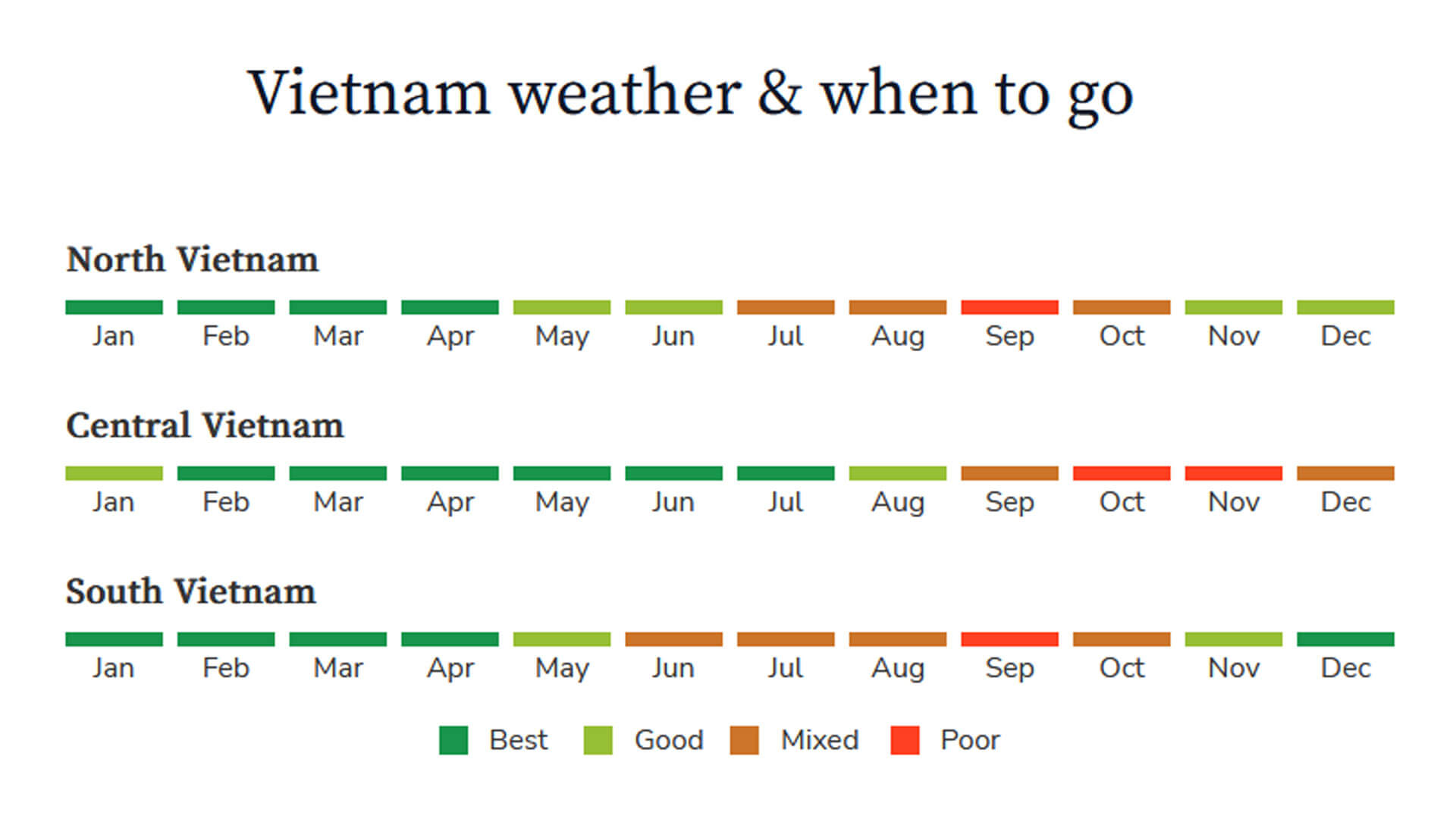
Ha Long Bay changes character throughout the year, from bright and clear days to misty mornings when the limestone islands seem to disappear into the horizon.
October to April generally offers cooler and drier conditions, making this a comfortable period for cruising, sightseeing and outdoor activities. October to December can be particularly atmospheric, with pleasant temperatures and clearer skies.
May to September brings warmer weather, greener landscapes and the possibility of short tropical showers. Summer is also a popular time for swimming and kayaking, although weather conditions can be more changeable.
Because tropical storms can occasionally affect the Gulf of Tonkin during the summer and early autumn, cruise itineraries may sometimes be adjusted for safety.
Practical Information
Getting Around: The best way to experience Ha Long Bay is by boat. Overnight cruises, day cruises, private boats and local transfers can be combined depending on the style and pace of your journey. Kayaking and traditional rowing boats allow travellers to reach smaller lagoons and areas inaccessible to larger vessels.
What to Bring: Comfortable, lightweight clothing, swimwear, sun protection and suitable footwear are recommended. A light jacket can be useful during the cooler months.
Cruising: Overnight cruises offer the opportunity to experience the bay at different times of day, including sunrise and sunset. Cruise routes and activities vary, and itineraries may change according to weather and local regulations.
Responsible Travel: Ha Long Bay is a fragile natural environment. Travellers are encouraged to avoid single-use plastics, respect local communities and wildlife, and leave natural sites exactly as they found them.